

What to Wear for a Black Tie Event
By OTAA · Updated 2 November 2026
An invitation that says black tie asks for evening dress: a dinner jacket or tuxedo with matching formal trousers, a white evening shirt and a black bow tie. Start with that foundation, then keep the finishing details simple.
For the rest of the kit, see our guide to suit accessories.
What is the Men's Dress Code at a Black-Tie Event?
Black tie sits above a business suit and below white tie. Choose a black or midnight-blue dinner jacket with silk-faced lapels and matching formal trousers, a white evening shirt, a black bow tie and black formal shoes. Cufflinks and studs depend on the shirt; finish with a white pocket square.
Black tie means a dinner jacket and black bow tie. A dark business suit is an alternative only when the invitation permits it, as with black tie optional.

Choose a dinner jacket with matching formal trousers. An ordinary black or navy business suit belongs in the black tie optional section below; its colour alone does not make it black tie.
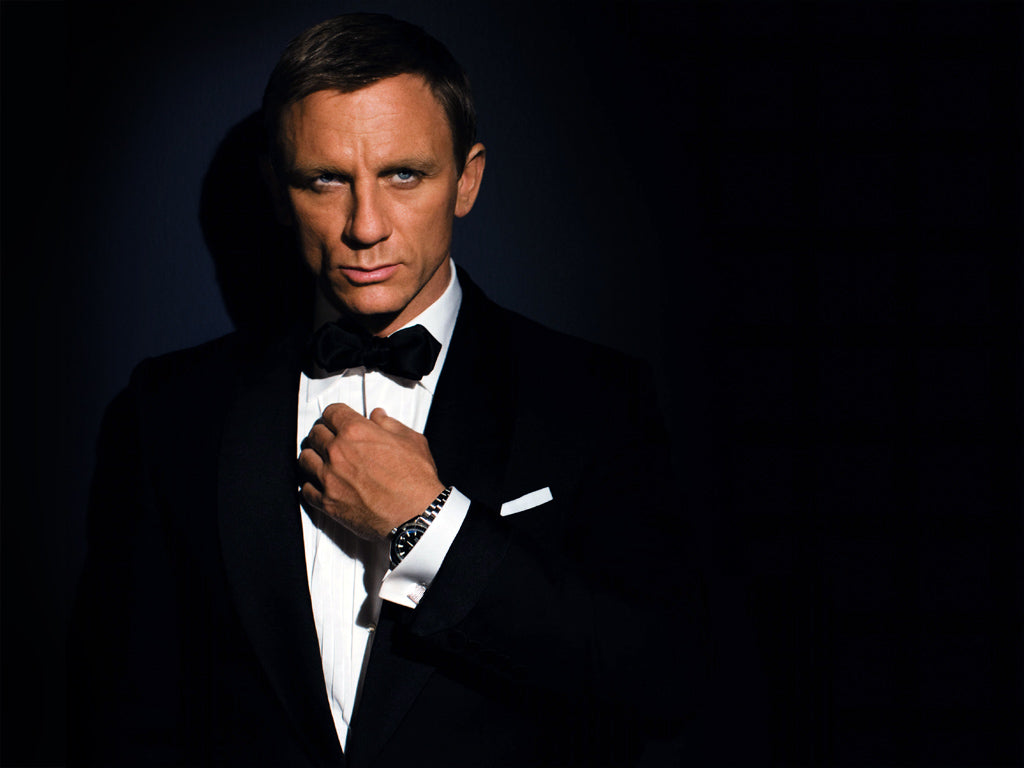
Keep the silhouette clean. The jacket lapels and trouser trim distinguish evening dress from business tailoring. Try the complete outfit together before the event, including the shirt, bow tie and shoes.
We've covered the basics, and onto the details.
How to Dress for a Black-Tie Event
The Suit Jacket
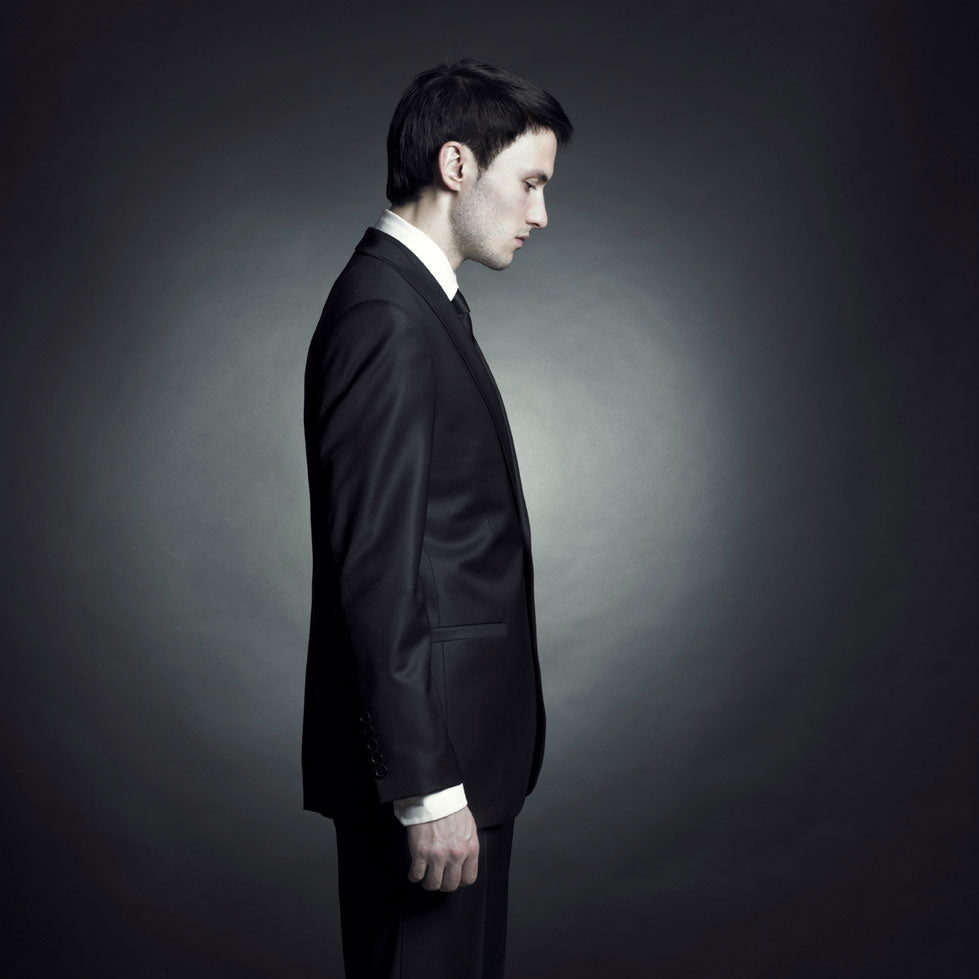
Wear a dinner jacket, not a separate sports jacket or blazer. Black and midnight blue are the classic starting points. Match the trousers to the jacket and use the formal trouser style made for evening dress.
A white dinner jacket with black formal trousers is an established warm-weather variation. The bow tie stays black. A white bow tie belongs to white tie, a different dress code with a tailcoat and white evening waistcoat.
The Shirt

Choose a white evening shirt with a turn-down collar and a formal front: pleated, marcella or a concealed placket. French cuffs take cufflinks. Use shirt studs only when the shirt is designed for them.
Keep the shirt plain white. A business shirt with coloured stripes or a contrast collar is a different piece; reserve it for a suit-and-tie occasion.
The Black Bow Tie
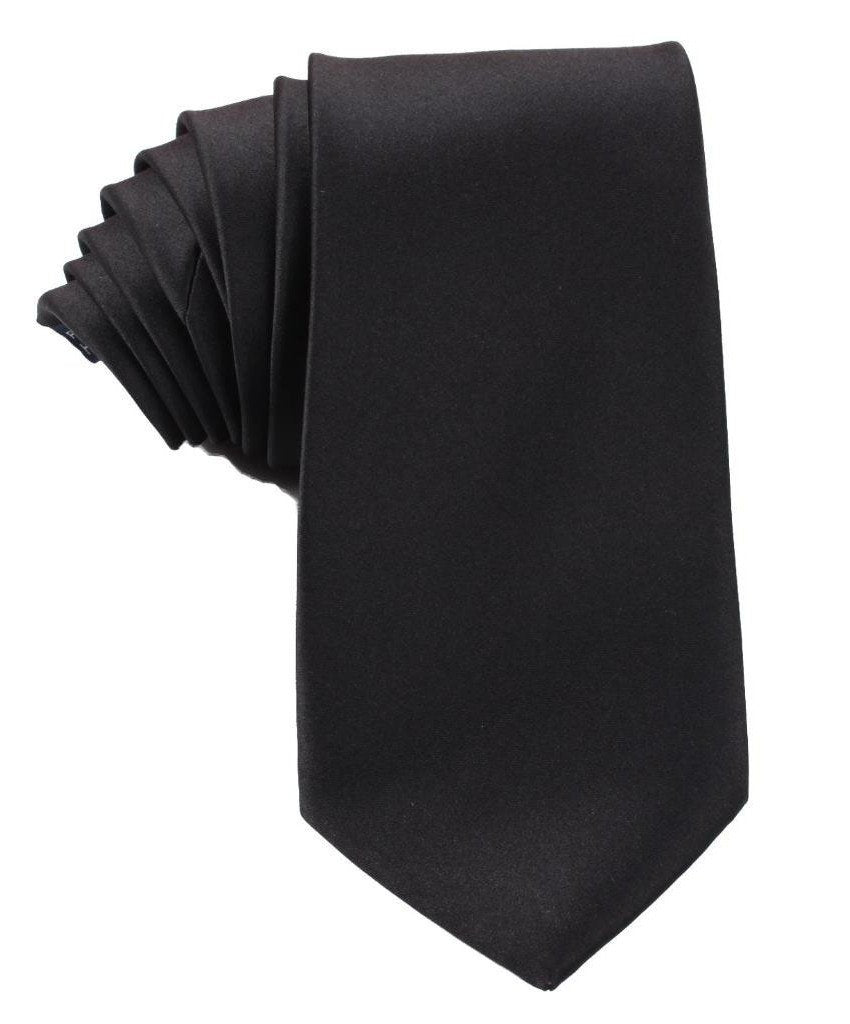
A plain black bow tie is the traditional choice. Hand-tying gives the bow a natural shape; our Bond Black Self Tie Diamond Tip Bow Tie is an adjustable self-tie option. Practise before the evening rather than meeting the knot in the taxi.
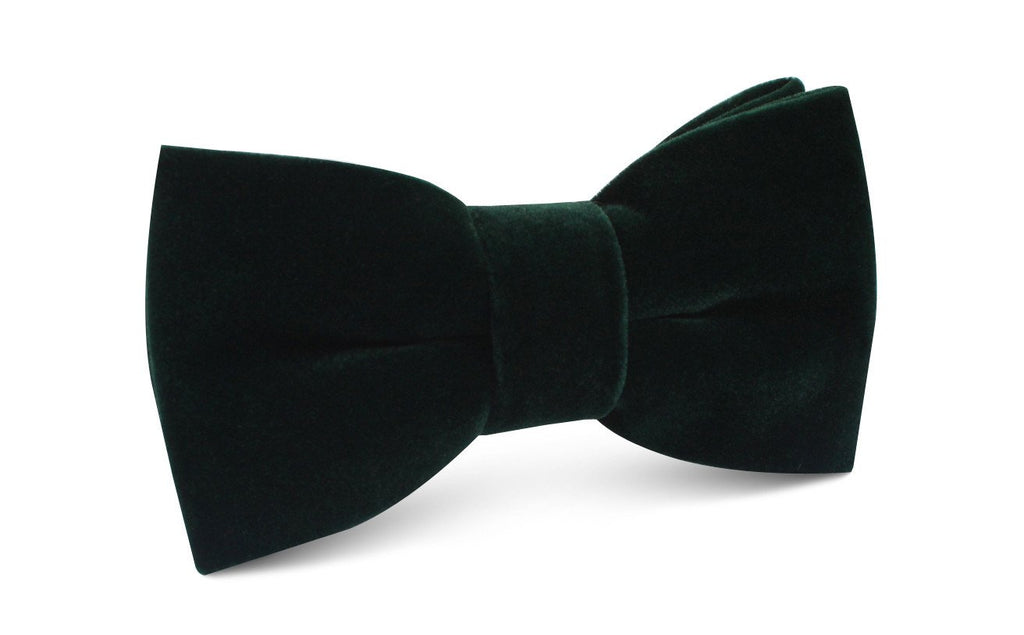
Prefer a ready-tied shape? Our Bond Black Butterfly Bow Tie has an adjustable strap. Keep the bow black and proportionate to your collar. A long necktie is not the conventional substitute for a bow tie at a black tie event.
The Shoes
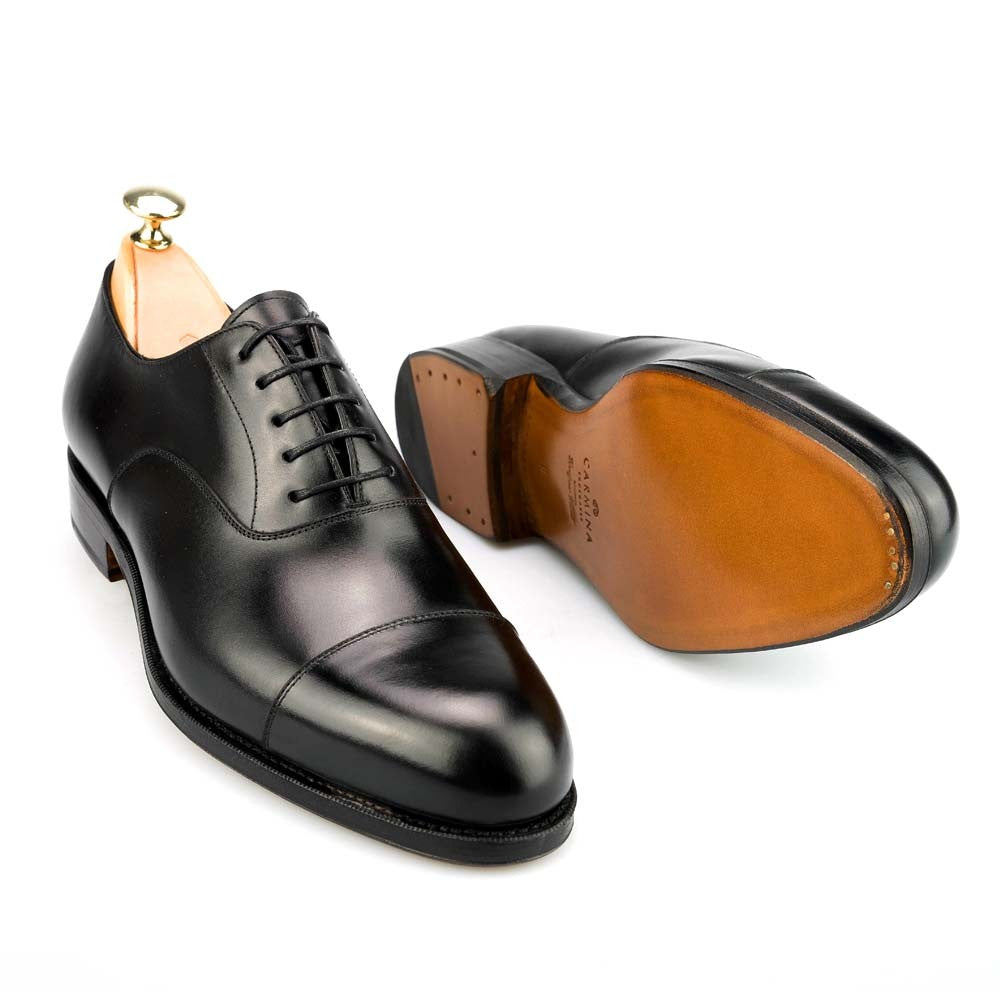
Wear black formal shoes, either patent leather or highly polished dress shoes, with black dress socks. Keep the footwear as considered as the jacket; brown boots and casual loafers change the formality of the outfit.
Other Accessories
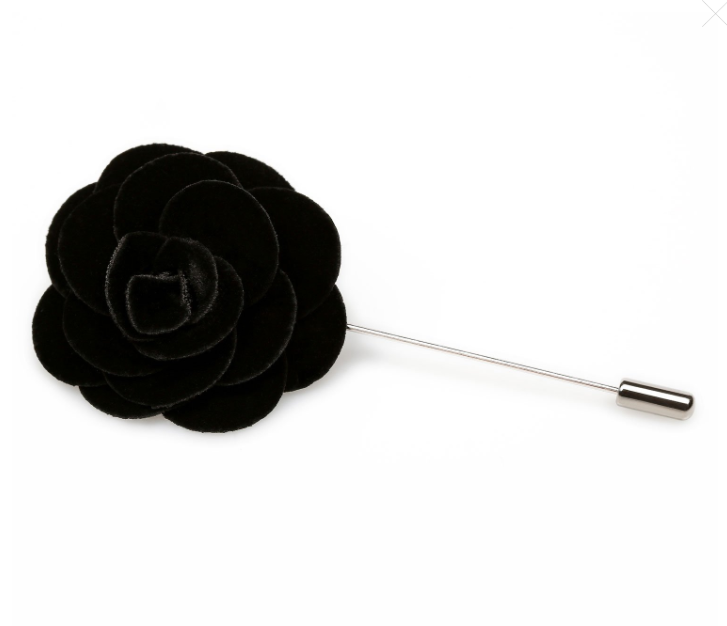
Finish with a plain white pocket square and the cufflinks your shirt requires. Keep novelty pins and competing patterns for other occasions. A cummerbund or low-cut evening waistcoat can cover the trouser waistband; wear one, not both.
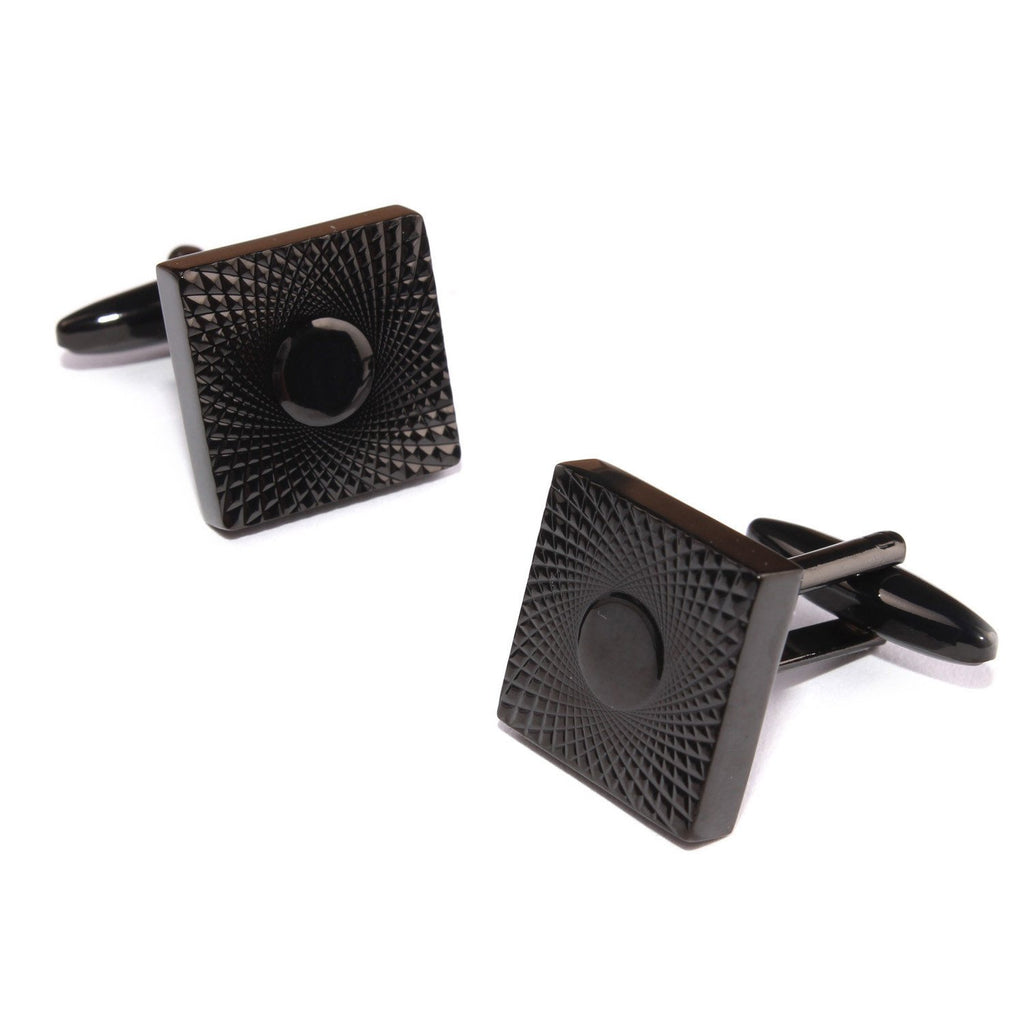
Use cufflinks with compatible cuffs. Choose a quiet design and pair shirt studs with it when your evening shirt has stud holes. Button cuffs do not take cufflinks.
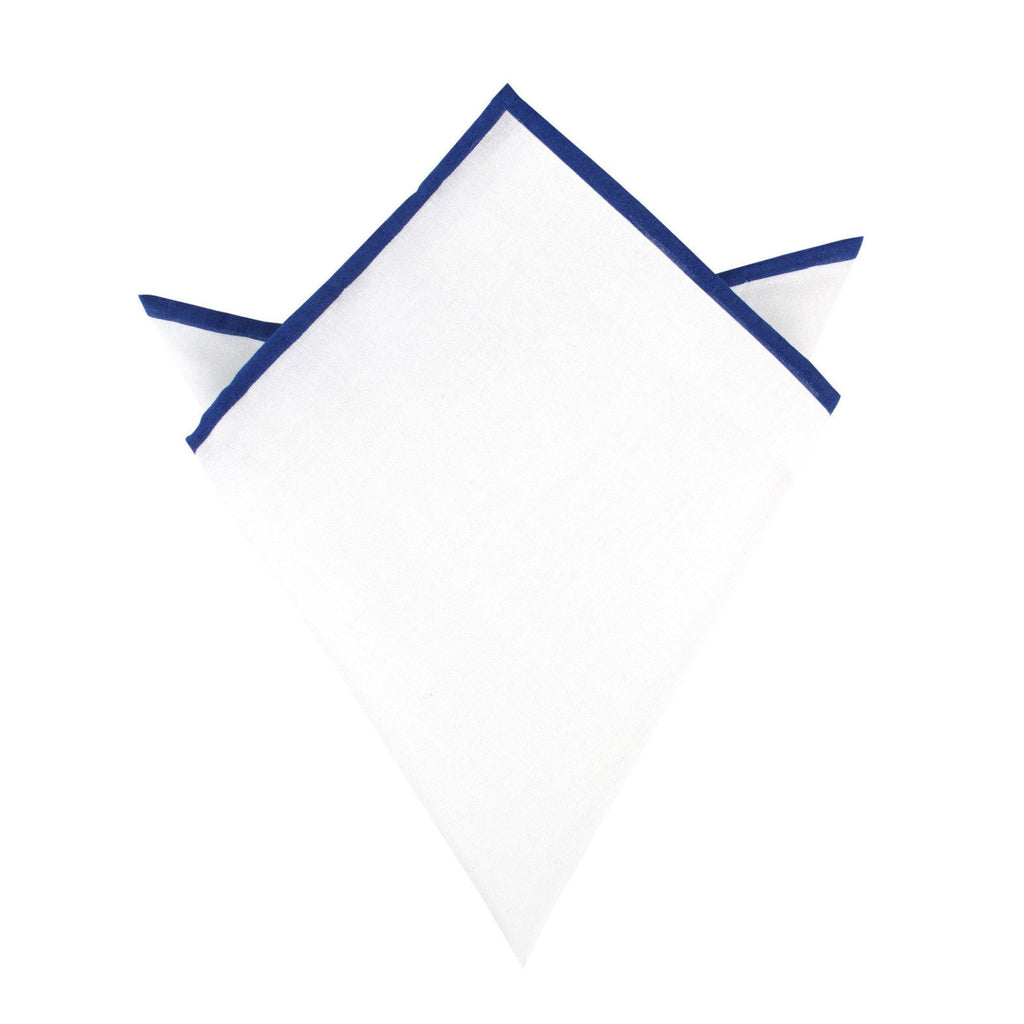
A plain white pocket square is the classic finishing detail. Fold it to suit the breast pocket without packing it so tightly that it distorts the jacket.
If you are attending with a partner, aim for the same level of formality. The black bow tie can stay black even when their outfit brings the colour.
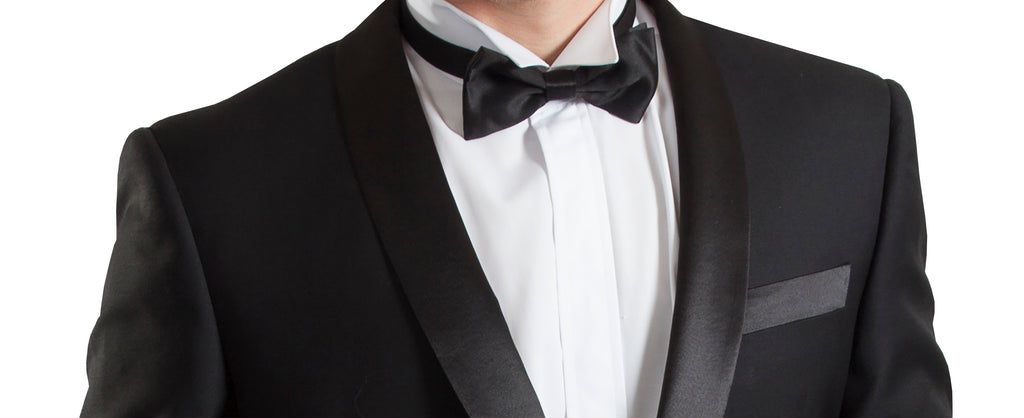
The final check takes a minute: close the collar, settle the bow, straighten the shirt front and adjust the square.
For black tie, the essentials are a dinner jacket, matching formal trousers, a white evening shirt, a black bow tie and black formal shoes. Choose trousers with side adjusters or braces where appropriate, rather than adding a visible business belt.
If the invitation gives a specific variation, follow its wording. The distinction between black tie and black tie optional is set out below.
What does black tie optional mean?
Black tie optional welcomes a tuxedo or dinner jacket, and also permits a dark suit with a white dress shirt and a conservative necktie. Choose black formal shoes for the tuxedo, or polished leather dress shoes for the suit.
Keep the two outfits coherent: wear the black bow tie with evening dress, and a restrained necktie with the suit. Optional changes the outfit you may choose; it does not make neckwear optional.
Frequently Asked Questions
What not to wear to a black-tie event?
Leave jeans, T-shirts, trainers, ordinary blazers and long neckties out of a conventional black tie outfit. Wear a dinner jacket with matching formal trousers and a black bow tie.
Can you wear a normal suit to a black-tie event?
No: an ordinary business suit is not conventional black tie. When the invitation says black tie optional, a dark suit, white dress shirt and conservative necktie are an accepted alternative.
What colours are acceptable for black tie?
Start with a black or midnight-blue dinner jacket, matching formal trousers, a white evening shirt and a plain black bow tie. A white dinner jacket with black formal trousers is a warm-weather variation.
What is the difference between formal attire and black tie?
Formal is a broad invitation term; black tie is a specific evening outfit with a dinner jacket and black bow tie. White tie is the more formal evening code, with a tailcoat, white waistcoat and white bow tie. If an invitation says only formal, ask whether the host expects dinner jackets or dark suits.


